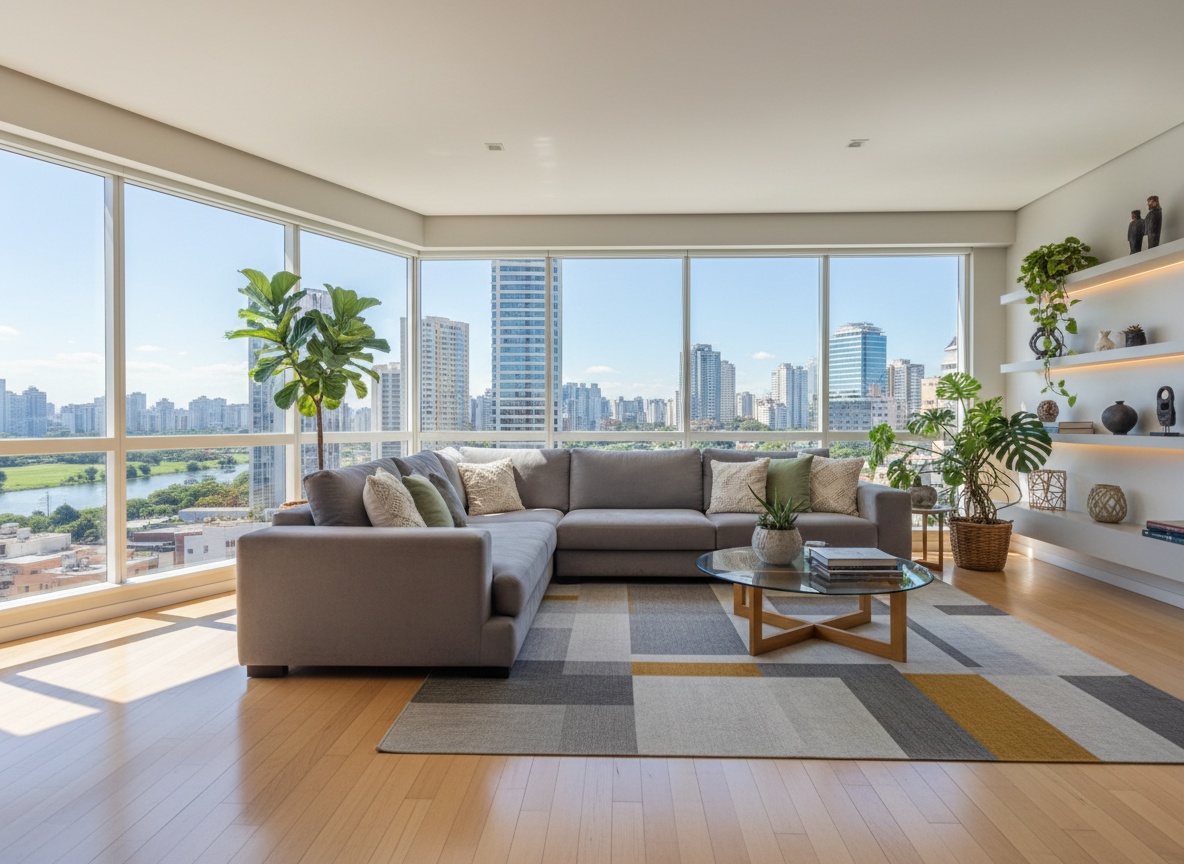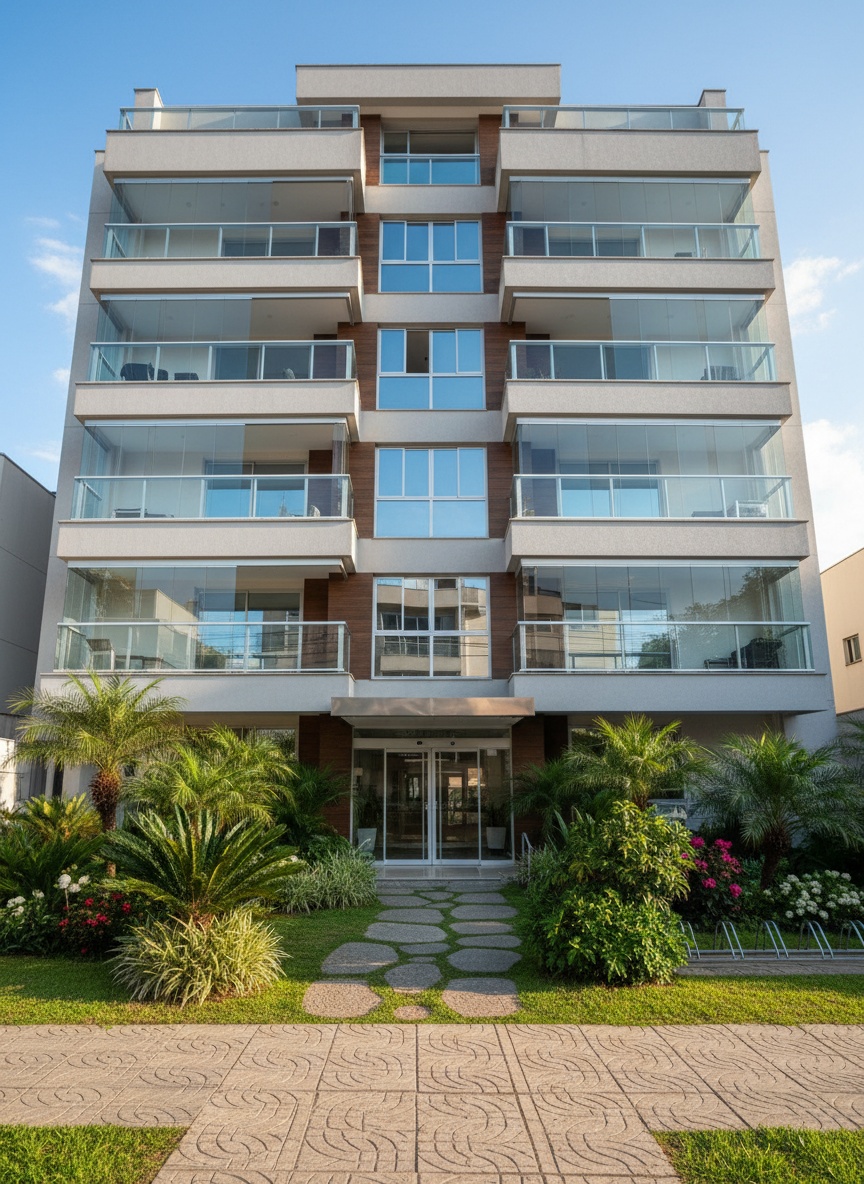
Editing listing photos used to mean adjusting the light and straightening the lines. Today, software and AI can stage an empty room, replace a gray sky, remove a neighbor's car or make a lawn greener in seconds. California has responded with a specific rule. Assembly Bill 723 requires a disclosure when a listing image has been digitally altered.
This article explains what AB 723 says according to the bill text, what is still unclear, and a practical routine for photos and listing videos in California.
What AB 723 says
AB 723 was chaptered as Chapter 497, Statutes of 2025, and has been in effect since January 1, 2026. Based on the bill text:
- When a listing image has been digitally altered, whether with photo-editing software or with artificial intelligence, the ad must include a disclosure that the image was altered.
- When the ad is on a website, it must also include a link to the original, unaltered image (or a way to reach it).
The goal is simple: a buyer should be able to tell when a photo does not show the property exactly as it is, and see what it actually looks like.
About fines
Some vendors and blogs that write about AB 723 mention specific fine amounts. We did not find those fine amounts in the bill text itself. Treat any number you see quoted as unconfirmed until your broker or attorney points you to the source. The safer approach is to follow the disclosure rule, not to estimate the cost of skipping it.
What counts as a digital alteration
The bill speaks of images altered with software or AI. Common examples in listing marketing include:
- Virtual staging: adding furniture or decor to an empty or furnished room.
- Sky replacement: swapping a gray or overcast sky for a blue one.
- Object removal: taking out cars, trash bins, power lines, personal items or construction.
- Changing features: a greener lawn, a different paint color, a fire in the fireplace, water in the pool.
Basic adjustments such as brightness, exposure, white balance or straightening are a gray area. Many photographers consider them standard processing, not alteration of the property. The bill text does not draw that line in a way we could confirm, so ask your broker how your brokerage treats these edits before you decide not to disclose them.
Keep the original, always
The link requirement only works if you still have the original. Make it a habit:
- Ask your photographer to deliver the unedited originals along with the edited set, at least for any photo that was staged, retouched or composited.
- Store the original next to the edited version, with the same file name and a clear suffix.
- Keep the originals for as long as the listing is marketed, including in videos and social posts.
Remember that the photos usually belong to the photographer. According to NAR, the photographer generally owns the copyright and the agent has a license. Check that your license covers both the edited and the original images.
How to write the disclosure
The bill requires a disclosure, not a specific design. A clear, short line works well:
- On the photo itself or right below it: "Digitally altered image" or "Virtually staged."
- On a listing page: the same notice, plus a link such as "View original photo."
- In a listing video: a short on-screen notice on the altered frames, and the notice in the caption.
Keep the wording plain. The point is for a buyer to notice it.
Listing videos and social posts
A listing video made from altered photos carries the same issue as the photos themselves. If a staged room or a replaced sky appears in your video, add the disclosure to the video and to the caption. When the video points to a listing page, that page is the natural place for the link to the original images.
How Listo handles this
Listo keeps the original photos you upload. For listings in California, when a video or listing page uses an image that was digitally altered, Listo adds the disclosure notice, and the listing page includes a link to the original image. You review and approve each post before it goes to your social accounts, so you can check the notice before anything is published.
For the other information your ads must show, read License number and brokerage name in real-estate ads. You can try Listo free for 7 days, no card required. See pricing or create your account.
Sources
- California AB 723 — bill text (Chapter 497, Statutes of 2025), via LegiScan
- Open Homes (third-party) — What you need to know about AB 723
- NAR — Who owns your property photos?
Sources consulted on November 15, 2026.
This article is general information, not legal advice. Rules change and vary by state and province — confirm with your broker, an attorney or your regulator.